
Wow, that surprised me.
I was skeptical at first about putting private keys on a thin plastic card. I had the usual mental checklist: security, recovery, portability. At a neighborhood crypto meetup I held a Tangem-style card in my hand and my first impression was simple — it’s elegant and weirdly reassuring. But then my head started spinning with operational questions, and that part stuck with me.
Seriously, this is worth saying out loud.
My instinct said: hardware wallets should be chunky and ritualistic. Something felt off about reducing a seed to the size of a credit card. On the other hand, the convenience is immediately obvious to anyone who taps a phone for transit. Initially I thought minimalism might equal compromise, but then I started testing, and the picture grew more nuanced.
Okay, so check this out—
I tested multiple card-based NFC devices over months. I tried cold storage flows in 3 different wallets, with different recovery philosophies. My gut reaction was that tiny things break or get lost more easily. However, the more I used them the more I appreciated the ergonomics and backup simplicity, though actually—let me rephrase that—some trade-offs remain for power users.
Hmm… I kept circling back to practical failure modes.
On one hand the cards are tamper-evident and sealed; on the other hand once a card is lost your recovery plan has to be rock solid. Initially I thought a single “seed-in-card” model is fragile, but then I realized multi-card and split-seed approaches mitigate that risk well. There are real-world workflows that are surprisingly resilient when planned correctly, and that surprised me.

Why card-based cold storage works for everyday users
I’ll be honest: I’m biased toward tools that people will actually use. If a security product is too cumbersome, users skip steps or invent risky workarounds. Cards fit in a wallet pocket. They survive coffee spills and airport security checks. They feel like a tangible promise of ownership, not some abstract phrase you scribble on a paper napkin.
Here’s what bugs me about many cold storage setups though.
They assume endless patience and a lab-like attention to detail. Many folks won’t solder their own recovery devices or store metal backups in bank safety-deposit boxes. By contrast, a durable NFC card paired with a clear recovery plan hits a pragmatic sweet spot that is very hard to beat for non-technical users.
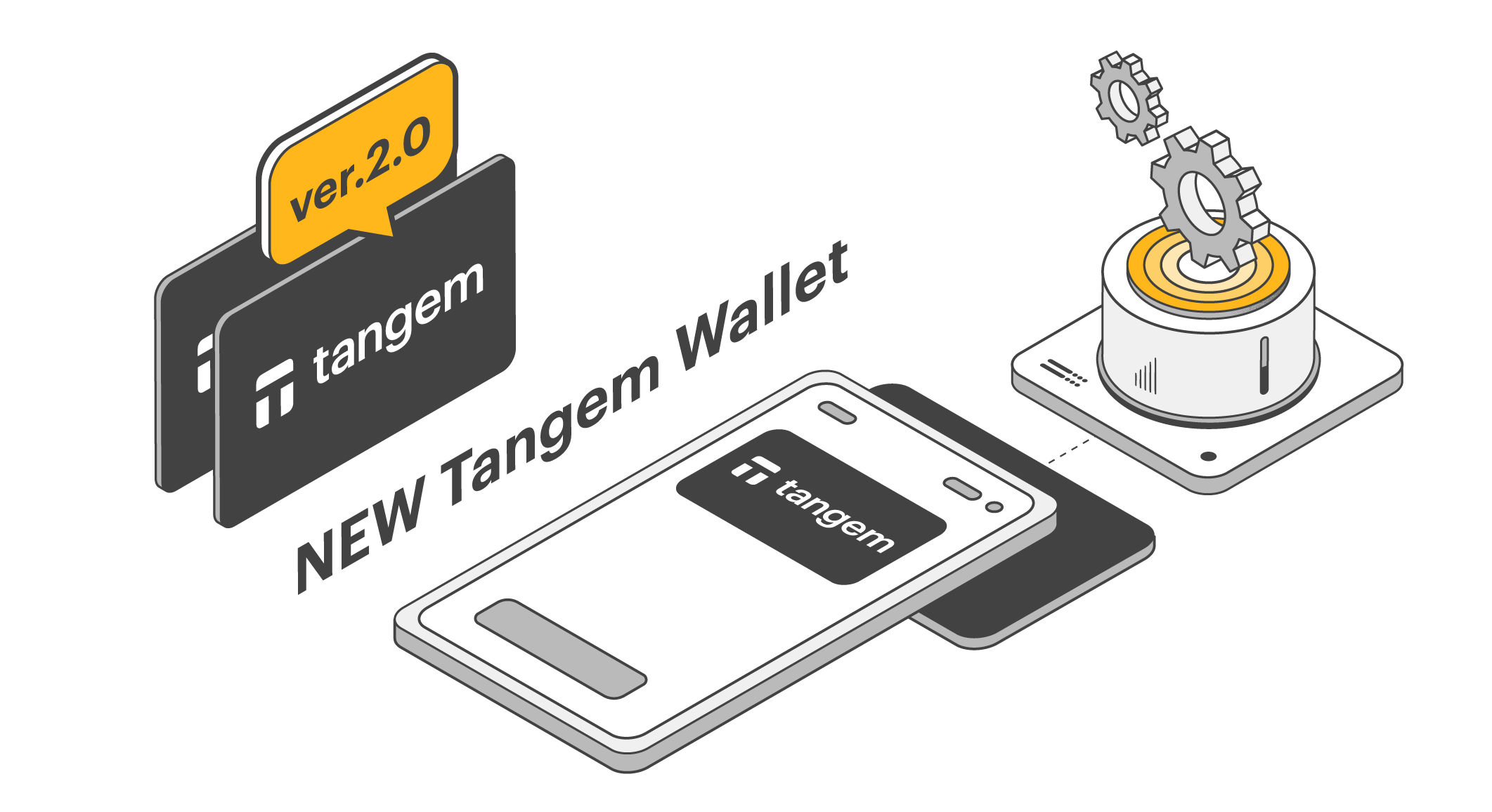
Check this out—if you want to try one, the tangem wallet approach stood out to me.
The tangem wallet model bundles a sealed card device with an app-based interface that minimizes exposure of the seed, and that design choice matters for day-to-day safety. Initially I thought the app dependency could be a weak point, but the cryptographic protections in the card mean the app never holds your private key — it only facilitates signed transactions. Actually, wait—let me rephrase that—this separation is crucial and elegantly executed.
Something felt off about cold storage being presented as purely technical, though.
In practice, human factors drive risk more than algorithmic weaknesses. People mislabel backups, drop them in kitchen drawers, or copy seeds into cloud notes “for convenience”. The card approach reduces surface area for those screw-ups, but it doesn’t remove responsibility. On the contrary, it reframes it: protect something small and casual in a way you already protect everyday items.
Whoa, here’s another honest admission.
I like tactile things. I like hardware that invites routine. That may seem trivial, but routine equals reliability. If users are comfortable tapping a card and confirming a transfer, they are less likely to transfer keys to insecure devices. Still, there’s nuance: institutional workflows and high-net-worth individuals will demand different safeguards, and the card alone won’t be sufficient for them.
On the technical side of things, here’s where things get interesting.
Cards that implement secure elements and firmware-level protections can isolate private keys from hostile phones and compromised software. The NFC channel is transient — it doesn’t leave a copy of your secret on the phone. But remember: not all cards are created equal; hardware certification and supply-chain integrity matter. I initially assumed certification was a checkbox, but later realized vendor provenance and secure manufacturing practices are very very important.
One failed approach taught me more than a dozen “successful” demos.
I once watched a setup demo that glossed over backup. The presenter said, “Just clone the card to another one,” and I almost walked out. That is lazy and risky. Better is a documented recovery plan: split seeds, geographically separated backups, clear instructions for heirs. There are practical trade-offs between convenience, cost, and survivability that each user must weigh.
On balance, my working rule is simple.
Make the primary device convenient and the backup slightly more serious. That way day-to-day use is frictionless and recovery is deliberate. This combo reduces accidental loss while preserving an escape hatch if things go sideways (lost card, device failure, the usual calamities). My instinct said this would feel awkward, but it doesn’t — once you try it, the workflow clicks.
I’m not 100% sure about long-term archival strategies though.
Long-term cold storage for assets you might never touch requires different thinking than day-to-day savings. For that, redundant metal backups and legal/estate planning are indispensable. Cards are great for portability and ease, but if you are thinking generational custody, build in redundancy and professional advice. (Oh, and by the way: document everything that needs documenting.)
Here’s a small practical checklist I use and recommend.
1) Buy from a reputable vendor and verify packaging. 2) Test the card with small amounts first. 3) Use a split backup strategy or multiple cards. 4) Store backups in different physical locations. 5) Keep clear written instructions for trusted contacts.
Some of that sounds obvious. Some of it isn’t executed in the field. People skip step 1 or 3 all the time. I learned the hard way that even experienced users can be sloppy under pressure, which is why design that anticipates human error is superior to design that assumes perfection.
FAQ
Are card-based wallets as secure as hardware wallets like Ledger or Trezor?
Short answer: they can be, yes. The security depends on the card’s secure element, firmware integrity, and the vendor’s supply-chain practices. Cards isolate the private key similarly to other hardware wallets, but method of recovery and vendor trust differ, so compare certifications and threat models before committing.
What happens if I lose the card?
If you have a robust backup strategy — for example a split seed or a second card stored separately — you can recover funds. If not, loss is permanent. That’s why planning recovery is non-negotiable; convenience without a recovery plan is just risk disguised as simplicity.
Can I use multiple cards for a single wallet?
Yes. You can distribute keys or use multisig approaches that involve multiple devices. This raises complexity but also resilience. Decide based on the value stored and your willingness to manage more complex procedures.
To wrap this up—well, not that I do neat wraps—but to leave you with a clear thought: cards are not a panacea, but they are a pragmatic and often underappreciated bridge between high security and everyday usability. They make good sense for many people who want real custody without turning their life into a security ops center. I’m biased, sure, but my experience testing and breaking workflows taught me that elegance combined with clear recovery planning beats complexity every time. Somethin’ about that keeps me recommending them to friends, though I still push them to document their plan and test it under stress (yes, simulate a lost-card scenario).